A Beginner’s Guide to Off-Roading: Adventure Awaits

Off-roading is an exhilarating way to explore the great outdoors, offering the thrill of adventure and the chance to discover breathtaking landscapes. For those new to this exciting activity, it can be a bit overwhelming to navigate the different terrains, vehicles, and essential skills involved. This guide will provide a thorough overview of off-roading for beginners, covering various types of off-roading, essential tips for getting started, and crucial safety measures to keep your adventures enjoyable.

What is Off-Roading?

Off-roading refers to the act of driving or riding in vehicles on unpaved terrains that are not typically suited for standard road use. It involves navigating various surfaces, including mud, rocks, sand, and snow. Off-roading can take many forms, each offering unique challenges and experiences. From casual trail riding to intense rock crawling, there is something for everyone.

Types of Off-Roading

1. Mud Off-Roading: This involves navigating through muddy terrains, which can be particularly challenging and fun. Vehicles designed for mud off-roading usually come equipped with mud-terrain tires and have enhanced ground clearance. Mud bogging and mud racing are popular variations that attract thrill-seekers eager to showcase their driving skills.

2. Rock Crawling: A more technical form of off-roading, rock crawling requires vehicles that can handle steep inclines and large boulders. Specialized modifications, such as aggressive tires and high suspension articulation, are essential for this type of adventure. Rock crawling is about precision and skill, making it an exciting challenge.

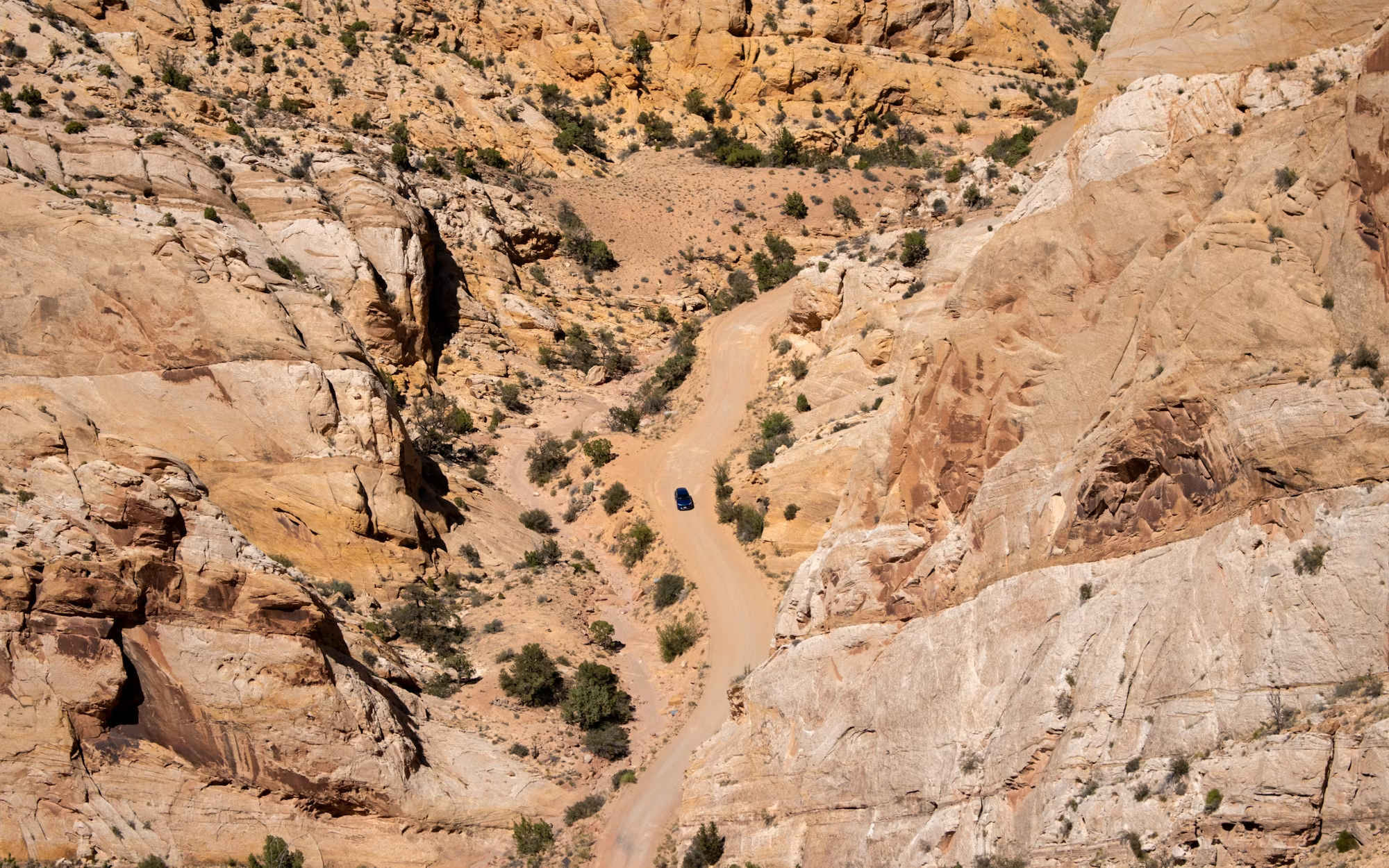
3. Trail Riding: Ideal for beginners, trail riding involves driving along established off-road trails that wind through forests, mountains, and deserts. These trails vary in difficulty, making them suitable for all skill levels. Trail riding allows you to enjoy the scenery while honing your off-roading skills.

4. Dune Bashing: This type of off-roading takes place on sandy terrains, often in desert environments. Dune bashing is characterized by high-speed driving over sand dunes, requiring specialized vehicles with wide tires and powerful engines to maintain traction.

5. Overlanding: This is a longer-distance style of off-roading that combines travel and camping. Overlanding adventures often span several days and involve navigating various terrains. Vehicles used for overlanding are typically equipped with camping gear, food supplies, and other essentials for self-sufficiency.

6. Rally Raid: This is a competitive form of off-roading that involves endurance racing over long distances across varied landscapes, including deserts and mountains. Rally raid vehicles are designed for speed and durability, making them suitable for challenging terrains.

7. Cross-Country Off-Roading: This adventurous style involves driving across open, unmarked terrain. It requires navigation skills and a sense of adventure, as you explore less-traveled areas. Cross-country off-roading can lead to remarkable discoveries and stunning vistas.

Essential Tips for Beginners

For those just starting their off-roading journey, there are several key tips to keep in mind:

1. Choose the Right Vehicle: Selecting a vehicle that suits your off-roading style is crucial. For beginners, an SUV or a capable truck with four-wheel drive is often a good choice. Ensure that the vehicle has the necessary features, such as good ground clearance and sturdy suspension.

2. Join a Community: Connecting with experienced off-roaders can be immensely helpful. Join local clubs or online forums to learn from others, share experiences, and find group outings. Many communities organize events that cater to beginners, providing a supportive environment to learn.

3. Take a Course: Consider enrolling in an off-roading course to build foundational skills. Many organizations offer training programs that cover essential techniques, vehicle handling, and recovery methods. Hands-on experience in a controlled setting can boost your confidence.

4. Plan Your First Trip: When planning your first off-roading adventure, choose an easy trail suitable for beginners. Research the trail conditions and any required permits. Inform someone of your plans and expected return time for safety. Going with a more experienced friend can also enhance your learning experience.

5. Equip Yourself with Essentials: Before heading out, gather the necessary gear. Basic essentials include:
– First Aid Kit: Always have a well-stocked first aid kit on hand.
– Recovery Gear: Items like tow straps, shovels, and traction mats can be invaluable if you get stuck.
– Navigation Tools: Carry a GPS device, maps, or a reliable app to help navigate trails.
– Food and Water: Pack enough supplies for your trip, plus extra in case of delays.
– Camping Gear: If you plan to camp, bring tents, sleeping bags, and cooking equipment.

Safety Considerations

Safety is of utmost importance in off-roading, and being aware of potential hazards is essential:

1. Wear Seatbelts: Ensure that all passengers wear seatbelts at all times. This simple measure can significantly reduce the risk of injury during sudden stops or maneuvers.

2. Stay on Designated Trails: Respect the environment and local regulations by sticking to marked trails. This practice helps protect natural habitats and reduces the risk of getting lost.

3. Monitor Weather Conditions: Check the weather forecast before heading out. Off-roading in adverse weather can create hazardous conditions, so be prepared to adjust your plans accordingly.

4. Communicate: Keep in touch with fellow off-roaders using walkie-talkies or cell phones, especially in remote areas where cell service may be limited.

5. Know Your Vehicle: Familiarize yourself with your vehicle’s features and capabilities. Understand how to engage four-wheel drive and how to shift gears for different terrains.

6. Practice Recovery Techniques: Learning basic recovery techniques can save you time and frustration. Understand how to use recovery gear and practice techniques in a safe environment before heading onto the trails.

Enjoying the Off-Roading Experience

Off-roading is not just about the thrill of navigating challenging terrains; it’s also about enjoying the journey and appreciating the natural beauty around you. Take time to savor the scenery, whether it’s the stunning landscapes, unique wildlife, or tranquil sounds of nature. Engaging with fellow off-roaders and sharing stories can enhance your experience and create lasting friendships.

Conclusion: Embrace the Adventure

Embarking on your off-roading journey can be one of the most rewarding experiences you’ll encounter. With the right preparation, knowledge, and a spirit of adventure, you can explore the great outdoors and create unforgettable memories. So gear up, hit the trails, and embrace the journey ahead. Adventure is waiting just beyond the beaten path!


Exploring the Hidden Gems of European Travel

Europe is a continent rich in history, culture, and natural beauty, attracting millions of travelers each year. While iconic cities like Paris, Rome, and London often steal the spotlight, there are countless hidden gems waiting to be discovered. These lesser-known destinations provide unique experiences, stunning landscapes, and a chance to immerse yourself in local cultures. In this article, we’ll explore some of the best-kept secrets in European travel, encouraging adventurers to venture off the beaten path.

One of the most enchanting hidden gems is the charming town of Český Krumlov in the Czech Republic. Nestled in the South Bohemia region, this UNESCO World Heritage site features a well-preserved medieval town center, complete with winding cobblestone streets, colorful baroque buildings, and a stunning castle overlooking the Vltava River. Visitors can stroll along the riverbank, take a boat ride, or explore the castle grounds, which offer breathtaking views of the surrounding countryside. The town also hosts various cultural events throughout the year, making it a vibrant destination for those looking to experience authentic Czech culture.

Another destination worth exploring is Albarracín, a picturesque village in northeastern Spain. Perched on a hilltop, Albarracín boasts narrow streets, ancient walls, and a stunning cathedral. The town is surrounded by beautiful natural landscapes, including the Sierra de Albarracín mountains, which offer numerous hiking trails. Visitors can also explore the nearby Dinosaurs Route, where they can see impressive dinosaur footprints and fossils. Albarracín’s rich history, combined with its breathtaking scenery, makes it an ideal spot for travelers seeking both adventure and culture.

Traveling to the Isle of Skye in Scotland offers a chance to experience some of the most dramatic landscapes in the UK. Known for its rugged cliffs, picturesque villages, and stunning castles, Skye is a haven for outdoor enthusiasts and photographers. Highlights include the Fairy Pools, a series of crystal-clear blue pools, and the Quiraing, a landslip offering breathtaking views and excellent hiking opportunities. The island is also home to a vibrant local culture, with numerous festivals celebrating Scottish traditions, music, and food. Skye provides a perfect blend of adventure and tranquility, making it a must-visit for nature lovers.

In Italy, the region of Umbria offers a delightful alternative to the more touristy areas of Tuscany. Known as the “green heart of Italy,” Umbria is characterized by rolling hills, charming medieval towns, and a rich culinary tradition. The town of Assisi, famous for its connection to St. Francis, features stunning frescoes and a peaceful atmosphere. Other notable towns include Perugia, known for its chocolate festival, and Orvieto, perched on a hilltop with impressive Etruscan ruins. Travelers can indulge in local wines and traditional dishes, creating a truly immersive experience.

For those seeking a unique coastal experience, Sibiu in Romania’s Transylvania region is a delightful surprise. While many tourists flock to the beaches of the Mediterranean, Sibiu offers stunning landscapes and rich cultural experiences. The city’s colorful architecture, cobbled streets, and lively squares are perfect for exploration. Nearby, the Transfagarasan Highway presents breathtaking mountain views, making it one of the most scenic drives in the world. Visitors can also experience local traditions through festivals and events celebrating Romanian culture.

In the Balkans, Kotor in Montenegro stands out for its stunning fjord-like bay and well-preserved medieval architecture. The town is surrounded by dramatic mountains, offering breathtaking views and numerous hiking opportunities. The historic old town, a UNESCO World Heritage site, features narrow streets, charming squares, and impressive churches. Visitors can also take a boat trip to the nearby islands of Our Lady of the Rocks and Saint George, both rich in history and beauty. Kotor’s unique blend of nature and culture makes it a captivating destination for travelers.

Another hidden gem in Europe is Ljubljana, the capital of Slovenia. This charming city is known for its vibrant cultural scene, picturesque architecture, and green spaces. The Ljubljana Castle offers panoramic views of the city, while the Dragon Bridge is a symbol of the city’s rich mythology. Visitors can explore the Central Market, sample delicious local cuisine, and relax in the many parks that dot the city. Ljubljana’s blend of history, art, and nature makes it a delightful place to visit, often overlooked by travelers heading to more famous destinations.

For a unique experience in Northern Europe, consider visiting Tallinn, the capital of Estonia. With its well-preserved medieval old town, Tallinn is a UNESCO World Heritage site that transports visitors back in time. The city is known for its vibrant arts scene, with numerous galleries and cultural events throughout the year. The Tallinn Music Week and Tallinn Black Nights Film Festival showcase the city’s creative spirit. Additionally, Tallinn’s innovative cuisine, featuring local ingredients and modern twists on traditional dishes, offers a delightful culinary adventure for food lovers.

As we journey through Europe, the charm of Matera, Italy, is hard to resist. Famous for its ancient cave dwellings, known as Sassi, Matera is one of the oldest continuously inhabited cities in the world. The unique architecture, carved into the limestone rock, creates a stunning landscape that feels almost otherworldly. Matera’s rich history, combined with its vibrant arts scene and delicious cuisine, makes it an extraordinary destination. Visitors can explore the caves, dine in local restaurants, and immerse themselves in the culture of this remarkable city.

Finally, no exploration of hidden European gems would be complete without mentioning Ghent, Belgium. This vibrant city is often overshadowed by Bruges but offers a unique blend of history, culture, and modernity. The medieval architecture, including the impressive Gravensteen Castle, coexists with contemporary art installations and a lively nightlife scene. Ghent is also known for its culinary delights, from local beers to delicious chocolates. The city’s festivals, such as the Gentse Feesten, celebrate its rich cultural heritage, making it a fantastic destination for travelers seeking an authentic experience.

In conclusion, Europe is brimming with hidden gems that offer a wealth of cultural experiences, breathtaking landscapes, and unique adventures. By venturing beyond the typical tourist hotspots, travelers can discover the true essence of this diverse continent. From the medieval charm of Český Krumlov to the natural beauty of Skye, each destination provides a distinct experience that enriches our understanding of European culture and history. So, pack your bags and prepare to explore the enchanting corners of Europe that await your discovery.

Cultural Landmarks: The Heartbeat of Heritage and Identity

Cultural landmarks are more than just sites of interest; they are the embodiment of a community’s history, values, and identity. From ancient temples to modern museums, these structures serve as vital touchstones for cultural expression and collective memory. They reflect the artistry, beliefs, and traditions of the people who built and inhabit them, inviting visitors to connect with diverse narratives and experiences. This article delves into some of the most significant cultural landmarks around the globe, highlighting their importance and the need for their preservation. One of the most iconic cultural landmarks is the Louvre Museum in Paris, France. Originally built as a fortress in the late 12th century, the Louvre has transformed into the world’s largest art museum, housing over 380,000 objects, including the Mona Lisa and the Venus de Milo. The glass pyramid entrance, designed by architect I. M. Pei, blends modern design with the historical grandeur of the museum, symbolizing the fusion of past and present. The Louvre attracts millions of visitors each year, offering not just a glimpse of art history but also a space for cultural dialogue and education. Its significance extends beyond its collections, as it plays a pivotal role in promoting cultural exchange and understanding. Similarly, the Forbidden City in Beijing, China, stands as a testament to imperial history and architectural brilliance. This sprawling palace complex, which served as the Chinese imperial palace for nearly 500 years, is a UNESCO World Heritage Site and an extraordinary example of traditional Chinese architecture. The intricate design, with its golden roofs and vibrant colors, reflects the grandeur of the Ming and Qing Dynasties. Today, the Forbidden City is a cultural symbol of China, drawing millions of visitors who come to explore its rich history and vast collection of artifacts, which provide insight into Chinese civilization. The Pyramids of Giza in Egypt are among the most recognized cultural landmarks, showcasing the engineering prowess of ancient civilizations. Built as monumental tombs for pharaohs, these pyramids have stood the test of time, symbolizing the ingenuity and beliefs of ancient Egyptians. The Great Pyramid of Giza, one of the Seven Wonders of the Ancient World, continues to captivate researchers and tourists alike with its scale and precision. The surrounding Giza Plateau, with the Sphinx and other monuments, serves as a reminder of the cultural significance of the Nile Valley civilization, attracting scholars, historians, and travelers from around the globe. In the heart of Cambodia lies Angkor Wat, the largest religious monument in the world and a masterpiece of Khmer architecture. Originally built as a Hindu temple dedicated to the god Vishnu in the early 12th century, Angkor Wat later transitioned to a Buddhist temple and remains a significant pilgrimage site. Its intricate bas-reliefs and massive stone structures reflect the artistic achievements of the Khmer Empire and serve as a symbol of national pride for Cambodia. The preservation of Angkor Wat is crucial, not only for its historical value but also for its role in sustaining the cultural identity of the Cambodian people. In Europe, the Colosseum in Rome stands as an enduring symbol of the Roman Empire’s architectural and engineering prowess. This ancient amphitheater, completed in AD 80, once hosted gladiatorial contests and public spectacles, drawing thousands of spectators. Today, the Colosseum serves as a powerful reminder of Rome’s rich history and cultural heritage. Its ruins, while weathered, continue to inspire awe and curiosity, attracting visitors eager to learn about the lives and traditions of ancient Romans. Cultural landmarks like the Colosseum contribute to the storytelling of civilizations, connecting people to their past. The Sydney Opera House in Australia represents a modern cultural landmark that encapsulates artistic expression and innovation. Designed by architect Jørn Utzon, its iconic sail-like structure has become synonymous with the city of Sydney. The Opera House is not just an architectural marvel; it serves as a vibrant cultural venue hosting performances ranging from opera to contemporary dance. Its location on the Sydney Harbour enhances its beauty, creating a dynamic space where art and nature converge. The Opera House symbolizes Australia’s commitment to the arts and cultural diversity, making it a focal point for both locals and tourists. Cultural landmarks also play a vital role in promoting community identity and pride. They serve as gathering places where people come together to celebrate their heritage through festivals, ceremonies, and educational programs. For instance, the National Museum of African American History and Culture in Washington, D.C., is a powerful cultural landmark that chronicles the rich history and contributions of African Americans. Opened in 2016, the museum provides a platform for dialogue and reflection, fostering a deeper understanding of the African American experience. By highlighting stories of resilience and achievement, the museum contributes to a broader narrative of American history and identity. The preservation of cultural landmarks is essential to maintaining the fabric of our societies. These sites provide educational opportunities, foster tourism, and promote community engagement. However, many cultural landmarks face challenges such as neglect, climate change, and urban development. It is crucial for governments, organizations, and communities to collaborate in protecting these treasures. Efforts such as conservation projects, sustainable tourism practices, and public awareness campaigns can help safeguard cultural landmarks for future generations. Engaging local communities in the preservation process not only empowers them but also ensures that the cultural significance of these landmarks is respected and celebrated. In addition to preservation efforts, education plays a pivotal role in fostering appreciation for cultural landmarks. Schools, museums, and community organizations can work together to create programs that highlight the importance of these sites and their relevance to contemporary society. By encouraging curiosity and exploration, we can inspire future generations to connect with their heritage and understand the value of preserving cultural landmarks. In conclusion, cultural landmarks are the heartbeat of our heritage and identity. They tell stories that transcend time and place, reflecting the diverse tapestry of human experience. From ancient temples to modern art centers, these sites serve as vital connections to our past, shaping our understanding of who we are. As we explore and engage with these remarkable landmarks, it is our responsibility to protect and preserve them, ensuring that they continue to inspire and educate future generations. By valuing and safeguarding our cultural heritage, we celebrate the rich diversity of human expression and the shared stories that unite us all.

Exploring the Charm of Boutique Hotels: A Traveler’s Guide

Traveling is about more than just reaching a destination; it’s about the experiences you have along the way, and where you choose to stay plays a crucial role in that journey. Boutique hotels, known for their unique charm and personalized service, have emerged as a popular choice among discerning travelers. This article explores the enchanting world of boutique hotels, their defining characteristics, and how to select the perfect one for your next adventure.

What Defines a Boutique Hotel?

Boutique hotels are typically small, stylish establishments that emphasize individuality, character, and an intimate atmosphere. Unlike large hotel chains, boutique hotels often reflect the local culture and personality of their surroundings. They are designed to offer a unique and memorable experience, catering to travelers who seek more than just a place to sleep.

Key characteristics of boutique hotels include:

1. Unique Design and Decor: One of the most appealing aspects of boutique hotels is their distinctive design. Each hotel often has its own theme, style, and decor, making them stand out from traditional accommodations. This creative approach to design can range from modern minimalism to vintage elegance, providing guests with an aesthetic experience that reflects the local culture.

2. Personalized Service: Boutique hotels pride themselves on offering exceptional customer service. With fewer rooms, staff members can focus on creating personalized experiences for each guest. From remembering your name to catering to your specific needs, the level of attention and care is often unparalleled.

3. Local Flavor: Many boutique hotels strive to incorporate elements of their locale into the guest experience. This may include featuring local artwork, serving regional cuisine in their restaurants, or organizing activities that showcase the culture and attractions of the area. Staying in a boutique hotel can immerse you in the destination, offering a taste of local life.

4. Intimate Atmosphere: The smaller size of boutique hotels fosters a cozy, intimate atmosphere that can make you feel right at home. With fewer guests, you can often enjoy quieter surroundings and a more relaxed experience, making it easier to connect with fellow travelers or the staff.

5. Unique Experiences: Many boutique hotels offer unique experiences that go beyond the ordinary. This can include curated local tours, wellness retreats, or specialized workshops that allow guests to engage more deeply with the destination. Whether it’s a cooking class or an art workshop, these experiences add an extra layer of enjoyment to your stay.

The Advantages of Staying in Boutique Hotels

Choosing a boutique hotel can enhance your travel experience in several ways:

– Distinctive Accommodations: Boutique hotels provide a refreshing alternative to cookie-cutter hotel chains. Each property has its own character, allowing you to stay in a place that feels unique and special.

– Enhanced Comfort and Quality: Many boutique hotels prioritize quality over quantity, investing in high-quality furnishings, linens, and amenities. This attention to detail often results in a more comfortable and enjoyable stay.

– Connection to the Community: By staying in a boutique hotel, you’re often supporting local businesses and economies. These hotels frequently partner with local artisans and service providers, contributing to the community and fostering a sense of connection.

– Memorable Experiences: The unique experiences and personalized service offered by boutique hotels can create lasting memories. Whether it’s a heartfelt recommendation from the staff or a special welcome gift, these thoughtful touches can make your trip unforgettable.

Tips for Choosing the Right Boutique Hotel

When selecting a boutique hotel for your next trip, consider the following tips to ensure you find the perfect match:

1. Research Your Options: Take the time to research boutique hotels in your desired destination. Look for properties that align with your preferences in terms of style, amenities, and location. Websites and travel blogs dedicated to boutique hotels can provide valuable insights and recommendations.

2. Read Reviews: Guest reviews can give you a sense of what to expect from a boutique hotel. Pay attention to comments about the quality of service, cleanliness, and the overall atmosphere. Look for patterns in the reviews to gauge the consistency of the hotel’s offerings.

3. Inquire About Amenities: Boutique hotels can vary widely in terms of amenities. Before booking, check what each hotel offers, such as Wi-Fi, breakfast, or fitness facilities. Make sure the amenities align with your needs to enhance your stay.

4. Consider Location: The location of your boutique hotel can significantly impact your travel experience. Look for hotels that are centrally located or near attractions you plan to visit. Being close to local shops, restaurants, and public transport can enhance your convenience and enjoyment.

5. Ask About Packages: Many boutique hotels offer special packages that include unique experiences, such as guided tours or dining options. These packages can provide added value and enhance your overall experience.

6. Connect with the Hotel: Don’t hesitate to reach out to the hotel directly with any questions or requests. Many boutique hotels pride themselves on their customer service, and you may find that they are more than willing to accommodate special requests or offer personalized recommendations.

The Future of Boutique Hotels

As travel preferences continue to evolve, boutique hotels are adapting to meet the changing demands of travelers. Many are embracing technology, enhancing their online presence, and offering modern amenities to attract a broader audience while maintaining their unique charm. The trend towards sustainability is also influencing boutique hotels, with many adopting eco-friendly practices and incorporating local, sustainable products into their offerings.

Moreover, as more travelers seek authentic experiences, boutique hotels are positioned to thrive by providing personalized service and a genuine connection to their surroundings. This trend towards experiential travel ensures that boutique hotels will continue to play a significant role in the hospitality industry.

Conclusion: Embrace the Boutique Experience

Staying in a boutique hotel can transform your travel experience from ordinary to extraordinary. With their unique designs, personalized service, and commitment to local culture, boutique hotels offer an inviting alternative to traditional accommodations. Whether you’re seeking a cozy retreat or an adventurous getaway, there’s a boutique hotel out there that perfectly suits your needs.

As you plan your next trip, consider the charm and benefits of boutique hotels. By choosing a boutique stay, you not only support local businesses but also enrich your travel experience with unique memories and connections. Embrace the opportunity to explore the world in style and comfort, one boutique hotel at a time.

Camping Adventures: Embracing Nature’s Beauty

Camping is not just an escape from everyday life; it’s an opportunity to connect with nature, share experiences with loved ones, and create cherished memories. Whether you’re pitching a tent in a national park, setting up an RV at a campground, or glamping in a cozy cabin, the art of camping offers something for everyone. This article will guide you through the essential steps to prepare for a successful camping trip, explore various activities, and help you fully embrace the beauty of the great outdoors. To start, choosing the right destination is crucial. There are many stunning locations to consider, from the majestic mountains to serene lakesides. Research your options based on the activities you enjoy, such as hiking, fishing, or simply unwinding by a campfire. National parks often provide a wealth of opportunities, including scenic trails and diverse wildlife. If you prefer a more relaxed environment, look for campgrounds with amenities like restrooms and picnic areas. Once you’ve settled on a destination, it’s time to plan your trip. Consider how long you’ll be away and what time of year you’ll be camping. Seasonal weather can significantly affect your experience, so pack accordingly. For example, summer camping may require lighter clothing and bug spray, while cooler seasons will call for warmer layers and waterproof gear. If you’re camping in a popular area, making reservations ahead of time is wise, as campsites can fill up quickly. The next step is packing wisely. A comprehensive packing list is essential to ensure you have everything you need while keeping your load manageable. At the core of your camping gear, you’ll need a quality tent, sleeping bag, and sleeping pad. When selecting a tent, think about the size and weather resistance. A spacious tent can enhance comfort, especially for families or groups. Choose a sleeping bag rated for the temperature you expect, and don’t underestimate the value of a good sleeping pad for a restful night’s sleep. Cooking outdoors is a highlight of many camping trips. Packing a portable stove or grill along with essential cooking utensils will make meal preparation a breeze. Consider easy-to-cook meals that require minimal cleanup, such as foil packets, sandwiches, and pasta dishes. Snacks are also vital; granola bars, nuts, and dried fruit are great for keeping energy levels up during outdoor adventures. Don’t forget to bring a cooler for perishable items and bear-proof containers if camping in bear country. Clothing is another crucial aspect of your packing strategy. Dress in layers to adapt to changing weather conditions. Moisture-wicking fabrics, insulated mid-layers, and waterproof outer layers will help keep you comfortable. Good hiking boots are essential for exploring trails, while hats and sunscreen protect you from the sun. When you arrive at your campsite, take the time to set up efficiently. Select a flat area for your tent, away from water sources to avoid flooding. Respect the natural environment by following Leave No Trace principles. Create a cooking area a safe distance from your sleeping area to prevent attracting wildlife. Arranging your campsite thoughtfully can create a cozy atmosphere. Incorporate seating around the campfire for evening gatherings, and consider adding lighting with lanterns or string lights for ambiance. The evenings spent around the campfire are a magical part of camping, providing opportunities for storytelling, singing, and making s’mores. Engaging with nature is one of the most rewarding aspects of camping. Embrace the beauty around you by hiking nearby trails, taking leisurely nature walks, or simply enjoying the view. Whether you’re fishing, swimming, or kayaking in a nearby lake, outdoor activities foster a deeper connection with the environment. Take time to appreciate local wildlife and plant life, and always remember to respect nature by observing animals from a distance and leaving no trace of your visit. Camping also encourages a sense of community and togetherness. Whether with family, friends, or fellow campers, shared experiences enhance the adventure. Engage in group activities like hiking, cooking, or games to strengthen bonds and create shared memories. If you’re camping with children, involve them in setting up camp, preparing meals, and planning activities to keep them engaged and excited about the experience. Safety is paramount when camping. Familiarize yourself with the area, including potential hazards like wildlife and weather conditions. A well-stocked first aid kit can address minor injuries, and basic first aid knowledge is beneficial. Always let someone know your plans and expected return time, especially when venturing into remote areas. As your camping adventure draws to a close, take a moment to reflect on your experiences. Cleaning up your campsite thoroughly is essential, ensuring you leave no trace of your visit. Pack up your gear and properly dispose of waste, returning the site to its natural state. The memories created during your camping trip will linger long after you’ve returned home. Consider keeping a camping journal to document your experiences, thoughts, and favorite moments. Capturing the essence of your adventure can provide a wonderful keepsake for the future. In conclusion, camping offers a unique opportunity to connect with nature, build relationships, and create lasting memories. By planning ahead, packing wisely, and embracing the experience, you can enjoy the beauty of the outdoors while ensuring a safe and enjoyable trip. So gather your gear, choose your destination, and embark on your next camping adventure—there’s a world waiting to be explored!

Exploring the Wonders of Architectural Landmarks

Architectural landmarks are not merely structures; they represent the pinnacle of human creativity, innovation, and cultural expression. From ancient monuments to contemporary skyscrapers, these buildings reflect the values, aspirations, and stories of the societies that built them. This article embarks on a journey to explore some of the most iconic architectural landmarks around the world, examining their historical context, design significance, and the impact they have on their surroundings.

One of the most celebrated architectural landmarks is the Taj Mahal in India. Commissioned by Mughal Emperor Shah Jahan in memory of his beloved wife Mumtaz Mahal, this stunning mausoleum is renowned for its breathtaking beauty and intricate craftsmanship. Built between 1632 and 1653, the Taj Mahal is a masterpiece of Mughal architecture, blending Persian, Islamic, and Indian design elements. Its gleaming white marble facade, adorned with intricate inlay work, reflects the emperor’s deep love and devotion. Surrounded by lush gardens and reflecting pools, the Taj Mahal offers a serene environment for visitors, inviting them to ponder its rich history and the romantic story behind its creation. As a UNESCO World Heritage Site, the Taj Mahal continues to captivate millions of visitors each year, symbolizing not only love but also the artistic achievements of the Mughal Empire.

In contrast to the romantic elegance of the Taj Mahal, the Eiffel Tower in Paris stands as a symbol of modern engineering and innovation. Completed in 1889 for the Exposition Universelle, the Eiffel Tower was designed by engineer Gustave Eiffel and has since become one of the most recognizable structures in the world. Standing at 1,083 feet tall, the tower was the tallest man-made structure until the completion of the Chrysler Building in New York in 1930. Its iron lattice structure is a marvel of engineering, demonstrating the possibilities of metal as a construction material. Visitors ascend the tower to enjoy panoramic views of Paris, marveling at the cityscape that unfolds below. The Eiffel Tower not only embodies the spirit of Paris but also serves as a testament to the industrial age and the advancements in architectural design that it brought about.

Across the Atlantic, the Empire State Building in New York City represents American ambition and resilience. Completed in 1931 during the Great Depression, this Art Deco skyscraper was once the tallest building in the world, reaching a height of 1,454 feet. The Empire State Building is known for its distinctive silhouette, adorned with a spire that was originally intended as a docking station for airships. Today, it houses offices and offers observation decks that provide breathtaking views of the Manhattan skyline. The building has become an enduring symbol of New York City, featured in countless films and media, and attracts millions of visitors each year. Its construction is a testament to the determination and ingenuity of its builders, who overcame significant challenges to create this iconic landmark.

In the realm of religious architecture, the Sagrada Família in Barcelona, Spain, is an extraordinary example of visionary design. Designed by architect Antoni Gaudí, construction of the Sagrada Família began in 1882 and is still ongoing. This basilica is renowned for its unique blend of Gothic and Art Nouveau styles, characterized by intricate facades, towering spires, and stunning stained glass windows. Gaudí’s attention to detail and deep understanding of nature are evident in the organic forms and structures that define the Sagrada Família. As visitors explore its interior, they are enveloped in a kaleidoscope of colors and shapes, creating a spiritual and uplifting atmosphere. The Sagrada Família is not only a masterpiece of architecture but also a representation of Gaudí’s unwavering dedication to his craft and his vision of creating a temple that glorifies nature and spirituality.

Another remarkable architectural landmark is the Sydney Opera House in Australia, a stunning example of modern design and cultural significance. Completed in 1973, the Opera House was designed by Danish architect Jørn Utzon and is celebrated for its iconic sail-like roof structure. Situated on Bennelong Point, the building overlooks Sydney Harbour and has become synonymous with the city itself. The Sydney Opera House hosts over 1,500 performances annually, including opera, theater, and music concerts, making it a cultural hub for both locals and tourists. Its innovative design and construction techniques have earned it numerous awards, and it is recognized as a UNESCO World Heritage Site. The Sydney Opera House not only showcases architectural brilliance but also represents Australia’s vibrant arts scene and commitment to cultural expression.

In Asia, the Petronas Towers in Kuala Lumpur, Malaysia, stand as a testament to modern engineering and design. Completed in 1998, these twin skyscrapers were the tallest buildings in the world until 2004. Designed by architect César Pelli, the Petronas Towers are known for their sleek, futuristic design and stunning Islamic-inspired motifs. The skybridge connecting the two towers at the 41st and 42nd floors offers breathtaking views of the city and is a popular attraction for visitors. The towers symbolize Malaysia’s rapid development and economic growth, representing the nation’s aspirations on the global stage. As an architectural marvel, the Petronas Towers continue to inspire architects and engineers worldwide, showcasing the possibilities of modern construction techniques.

In Brazil, the Museu de Arte de São Paulo (MASP) is a striking example of contemporary architecture and cultural significance. Designed by Lina Bo Bardi and completed in 1968, MASP is known for its innovative design featuring a glass and concrete structure elevated by two lateral beams, creating an open space underneath. This design not only allows for public gatherings and activities but also creates a sense of transparency between the museum and the city. The museum houses an impressive collection of Western art, including works by renowned artists such as Van Gogh and Rembrandt. MASP’s bold architectural style and commitment to cultural accessibility reflect the dynamic nature of São Paulo and its artistic community, making it a vital landmark in the city.

Finally, the Guggenheim Museum in Bilbao, Spain, represents the intersection of art and architecture. Designed by architect Frank Gehry and completed in 1997, the museum is known for its innovative, organic forms and titanium-clad exterior. The Guggenheim has transformed Bilbao from an industrial city into a cultural destination, attracting millions of visitors each year. Its design not only enhances the surrounding landscape but also creates a dynamic space for the exhibition of contemporary art. The Guggenheim Museum exemplifies how architecture can influence urban revitalization and cultural engagement, making it a landmark of modern design.

In conclusion, architectural landmarks are vital to our understanding of history, culture, and human ingenuity. From the timeless beauty of the Taj Mahal to the modern marvel of the Sydney Opera House, these structures tell stories of ambition, love, and creativity. They not only enhance our cities but also inspire future generations of architects and builders. As we explore these iconic landmarks, we gain a deeper appreciation for the artistry and innovation that shape our world. Preserving and celebrating these architectural achievements is essential, as they remind us of our shared cultural heritage and the dreams that unite us across time and space.

Exploring Sustainable Travel: How to Travel the World with a Positive Environmental Impact

As global travel becomes increasingly accessible and popular, the environmental impact of tourism has become a growing concern. With rising awareness about climate change, resource depletion, and habitat destruction, many travelers are seeking ways to reduce their environmental footprint and adopt more sustainable travel practices. Sustainable travel, also known as eco-tourism, involves making choices that help preserve natural resources, support local communities, and minimize negative impacts on the environment. Whether you’re embarking on an international adventure or exploring your own backyard, there are numerous ways to travel responsibly while still enjoying all that the world has to offer.

The Importance of Sustainable Travel
The travel industry is one of the largest contributors to global carbon emissions, with transportation—especially air travel—being a major source of greenhouse gases. Additionally, tourism can strain local resources, lead to habitat destruction, and contribute to pollution. By adopting sustainable travel practices, travelers can help mitigate these impacts and promote a more responsible, ethical approach to exploring the world.

Sustainable travel isn’t just about reducing environmental harm; it’s also about supporting communities, preserving cultural heritage, and ensuring that tourism benefits everyone involved. Eco-conscious travelers aim to leave places better than they found them, whether that means protecting local wildlife, supporting small businesses, or making mindful choices about how they travel.

1. Opt for Eco-Friendly Transportation
Transportation is one of the most significant contributors to the environmental impact of travel. Air travel, in particular, has a large carbon footprint, but there are ways to mitigate this impact.

– Fly Less, Stay Longer: One of the simplest ways to reduce the environmental impact of air travel is to fly less frequently. Instead of hopping between multiple destinations in a short time, consider staying longer in one place and exploring the local area more thoroughly. This not only reduces the need for multiple flights but also allows for a deeper, more meaningful travel experience.

– Use Direct Flights: If flying is necessary, opt for direct flights when possible. Takeoffs and landings are the most fuel-intensive parts of a flight, so fewer takeoffs and landings result in lower overall emissions.

– Choose Sustainable Airlines: Some airlines are more committed to reducing their environmental impact than others. Look for airlines that invest in fuel-efficient aircraft, reduce waste, and offset their carbon emissions. Many airlines offer carbon offset programs, allowing passengers to contribute to environmental projects that counteract the emissions produced by their flights.

– Use Trains or Buses for Short Distances: For shorter journeys, consider using alternative modes of transportation such as trains or buses. These options generally have a lower environmental impact than flying and can often offer scenic and relaxing experiences along the way.

– Rent Electric Vehicles: When driving is necessary, choose an electric or hybrid vehicle to reduce your carbon footprint. Many cities and destinations now offer electric car rentals, making it easier to explore without relying on fossil fuels.

2. Choose Eco-Friendly Accommodation
The type of accommodation you choose can also have a significant impact on the environment. Many hotels and resorts have adopted green practices, but not all properties prioritize sustainability.

– Look for Eco-Certified Hotels: Many hotels and lodgings now have green certifications that indicate they meet certain environmental standards. Look for certifications like Green Key, Green Globe, or EarthCheck, which identify properties that have made efforts to reduce energy consumption, waste, and water usage.

– Stay in Eco-Lodges or Hostels: If you want a more authentic and environmentally conscious experience, consider staying in eco-lodges, guesthouses, or hostels. These types of accommodations often have lower environmental footprints and are committed to supporting local communities and preserving natural habitats.

– Book Short-Term Rentals Wisely: While short-term rental services like Airbnb and Vrbo can offer unique and cost-effective accommodations, not all properties are created equal in terms of sustainability. When booking, look for hosts who prioritize green practices, such as energy-efficient appliances, water-saving fixtures, and waste reduction.

– Avoid All-Inclusive Resorts: While all-inclusive resorts can be convenient, they often contribute to overconsumption of resources and create significant waste. Instead, consider staying at smaller, locally-owned accommodations that focus on sustainable practices.

3. Support Local Communities
One of the key principles of sustainable travel is supporting local communities and economies. By spending money in ways that directly benefit the local people and culture, travelers can help create positive economic impacts and encourage the preservation of local traditions and landscapes.

– Eat Local and Sustainable Food: When traveling, prioritize eating at local restaurants that source ingredients from nearby farmers and markets. This not only supports the local economy but also reduces the carbon footprint associated with food transportation. Avoid large international chains, and instead opt for eateries that showcase the region’s traditional cuisine.

– Shop Responsibly: When purchasing souvenirs or gifts, support local artisans and businesses. Avoid mass-produced, low-quality items that often come with hidden environmental costs. Instead, choose handmade goods, organic products, or items that reflect the cultural heritage of the area.

– Participate in Community-Based Tourism: Many destinations offer community-based tourism experiences, where travelers can engage directly with local people and learn about their culture, traditions, and way of life. These experiences help create a more authentic travel experience while ensuring that tourism benefits the local community.

– Stay Away from Exploitative Activities: Avoid activities that exploit wildlife, local populations, or the environment. This includes unethical wildlife tours, child labor, and activities that cause harm to natural habitats. Instead, choose ethical tourism options that promote conservation and respect for both people and animals.

4. Reduce Waste and Conserve Resources
Traveling often involves a significant amount of waste, from plastic bottles to hotel toiletries. However, with a little planning and mindfulness, you can minimize the waste you create while traveling.

– Bring Reusable Items: Pack reusable items like water bottles, coffee cups, and shopping bags to avoid single-use plastic. Many destinations are now equipped with water refill stations, and carrying your own reusable container can help reduce plastic waste.

– Avoid Bottled Water: Bottled water is a major contributor to plastic waste. Instead of purchasing bottled water, carry a reusable water bottle and refill it at local water stations or restaurants. In some countries, tap water is perfectly safe to drink, so ask before buying bottled water.

– Conserve Water and Energy: Be mindful of your water and energy consumption while traveling. This includes taking shorter showers, turning off lights and air conditioning when not in use, and reusing towels and bedding when staying in hotels.

– Pack Light: Packing light not only reduces the weight of your luggage but also decreases the carbon footprint associated with transporting your belongings. By reducing the number of items you carry, you help reduce the environmental impact of transportation.

5. Be Mindful of Your Impact on Nature
As a responsible traveler, it’s essential to respect the natural environment and ensure that your activities do not cause harm to wildlife or ecosystems.

– Stay on Designated Trails: When hiking or exploring nature, always stay on marked trails to minimize your impact on the landscape. Avoid creating new paths or disturbing wildlife, and follow Leave No Trace principles to preserve the environment.

– Respect Wildlife: Avoid disturbing animals in their natural habitats. Never feed wild animals, as this can alter their natural behavior and lead to health problems for both the animals and humans. Respect wildlife by observing from a distance and following any local guidelines regarding animal interactions.

– Choose Eco-Friendly Activities: When engaging in recreational activities, opt for eco-friendly options that have a minimal impact on the environment. For example, choose kayaking or biking over motorized tours, and consider supporting wildlife sanctuaries and conservation projects.

Conclusion
Sustainable travel is about making conscious choices that reduce your environmental footprint and promote responsible tourism. By opting for eco-friendly transportation, supporting local businesses, conserving resources, and respecting nature, you can enjoy the world’s beauty without compromising its future. As travelers, we have the power to make a positive impact on the planet by being mindful of the ways we travel and the choices we make along the way. With a little planning and a lot of intention, we can all play a part in creating a more sustainable, eco-friendly travel experience.

A Beginner’s Guide to Off-Roading: Adventure Awaits

Off-roading is an exhilarating way to explore the great outdoors, offering the thrill of adventure and the chance to discover breathtaking landscapes. For those new to this exciting activity, it can be a bit overwhelming to navigate the different terrains, vehicles, and essential skills involved. This guide will provide a thorough overview of off-roading for beginners, covering various types of off-roading, essential tips for getting started, and crucial safety measures to keep your adventures enjoyable.

What is Off-Roading?

Off-roading refers to the act of driving or riding in vehicles on unpaved terrains that are not typically suited for standard road use. It involves navigating various surfaces, including mud, rocks, sand, and snow. Off-roading can take many forms, each offering unique challenges and experiences. From casual trail riding to intense rock crawling, there is something for everyone.

Types of Off-Roading

1. Mud Off-Roading: This involves navigating through muddy terrains, which can be particularly challenging and fun. Vehicles designed for mud off-roading usually come equipped with mud-terrain tires and have enhanced ground clearance. Mud bogging and mud racing are popular variations that attract thrill-seekers eager to showcase their driving skills.

2. Rock Crawling: A more technical form of off-roading, rock crawling requires vehicles that can handle steep inclines and large boulders. Specialized modifications, such as aggressive tires and high suspension articulation, are essential for this type of adventure. Rock crawling is about precision and skill, making it an exciting challenge.

3. Trail Riding: Ideal for beginners, trail riding involves driving along established off-road trails that wind through forests, mountains, and deserts. These trails vary in difficulty, making them suitable for all skill levels. Trail riding allows you to enjoy the scenery while honing your off-roading skills.

4. Dune Bashing: This type of off-roading takes place on sandy terrains, often in desert environments. Dune bashing is characterized by high-speed driving over sand dunes, requiring specialized vehicles with wide tires and powerful engines to maintain traction.

5. Overlanding: This is a longer-distance style of off-roading that combines travel and camping. Overlanding adventures often span several days and involve navigating various terrains. Vehicles used for overlanding are typically equipped with camping gear, food supplies, and other essentials for self-sufficiency.

6. Rally Raid: This is a competitive form of off-roading that involves endurance racing over long distances across varied landscapes, including deserts and mountains. Rally raid vehicles are designed for speed and durability, making them suitable for challenging terrains.

7. Cross-Country Off-Roading: This adventurous style involves driving across open, unmarked terrain. It requires navigation skills and a sense of adventure, as you explore less-traveled areas. Cross-country off-roading can lead to remarkable discoveries and stunning vistas.

Essential Tips for Beginners

For those just starting their off-roading journey, there are several key tips to keep in mind:

1. Choose the Right Vehicle: Selecting a vehicle that suits your off-roading style is crucial. For beginners, an SUV or a capable truck with four-wheel drive is often a good choice. Ensure that the vehicle has the necessary features, such as good ground clearance and sturdy suspension.

2. Join a Community: Connecting with experienced off-roaders can be immensely helpful. Join local clubs or online forums to learn from others, share experiences, and find group outings. Many communities organize events that cater to beginners, providing a supportive environment to learn.

3. Take a Course: Consider enrolling in an off-roading course to build foundational skills. Many organizations offer training programs that cover essential techniques, vehicle handling, and recovery methods. Hands-on experience in a controlled setting can boost your confidence.

4. Plan Your First Trip: When planning your first off-roading adventure, choose an easy trail suitable for beginners. Research the trail conditions and any required permits. Inform someone of your plans and expected return time for safety. Going with a more experienced friend can also enhance your learning experience.

5. Equip Yourself with Essentials: Before heading out, gather the necessary gear. Basic essentials include:
– First Aid Kit: Always have a well-stocked first aid kit on hand.
– Recovery Gear: Items like tow straps, shovels, and traction mats can be invaluable if you get stuck.
– Navigation Tools: Carry a GPS device, maps, or a reliable app to help navigate trails.
– Food and Water: Pack enough supplies for your trip, plus extra in case of delays.
– Camping Gear: If you plan to camp, bring tents, sleeping bags, and cooking equipment.

Safety Considerations

Safety is of utmost importance in off-roading, and being aware of potential hazards is essential:

1. Wear Seatbelts: Ensure that all passengers wear seatbelts at all times. This simple measure can significantly reduce the risk of injury during sudden stops or maneuvers.

2. Stay on Designated Trails: Respect the environment and local regulations by sticking to marked trails. This practice helps protect natural habitats and reduces the risk of getting lost.

3. Monitor Weather Conditions: Check the weather forecast before heading out. Off-roading in adverse weather can create hazardous conditions, so be prepared to adjust your plans accordingly.

4. Communicate: Keep in touch with fellow off-roaders using walkie-talkies or cell phones, especially in remote areas where cell service may be limited.

5. Know Your Vehicle: Familiarize yourself with your vehicle’s features and capabilities. Understand how to engage four-wheel drive and how to shift gears for different terrains.

6. Practice Recovery Techniques: Learning basic recovery techniques can save you time and frustration. Understand how to use recovery gear and practice techniques in a safe environment before heading onto the trails.

Enjoying the Off-Roading Experience

Off-roading is not just about the thrill of navigating challenging terrains; it’s also about enjoying the journey and appreciating the natural beauty around you. Take time to savor the scenery, whether it’s the stunning landscapes, unique wildlife, or tranquil sounds of nature. Engaging with fellow off-roaders and sharing stories can enhance your experience and create lasting friendships.

Conclusion: Embrace the Adventure

Embarking on your off-roading journey can be one of the most rewarding experiences you’ll encounter. With the right preparation, knowledge, and a spirit of adventure, you can explore the great outdoors and create unforgettable memories. So gear up, hit the trails, and embrace the journey ahead. Adventure is waiting just beyond the beaten path!

Exploring the Great Outdoors: A Guide to the Best Off-Roading Destinations

Off-roading is a thrilling way to explore the great outdoors, offering a unique opportunity to connect with nature while navigating rugged terrains. Whether you are a seasoned adventurer or a newcomer eager to dive into this exciting world, knowing the best off-roading destinations can enhance your experience. This guide will delve into some of the most popular trails, the types of vehicles suited for different terrains, and tips to ensure your off-roading adventures are unforgettable.

The Allure of Off-Roading

Off-roading has become a beloved pastime for many, drawing enthusiasts to mountains, deserts, and forests. The appeal lies in the sense of freedom it offers, allowing drivers to escape the hustle of everyday life and immerse themselves in stunning landscapes. Each destination presents its own set of challenges and rewards, making every trip a new adventure.

Top Off-Roading Destinations

1. Moab, Utah

Moab is often considered the mecca of off-roading, attracting enthusiasts from around the globe. With its striking red rock formations and diverse terrain, it offers trails suitable for all skill levels. The famous Hell’s Revenge trail provides exhilarating obstacles, including steep climbs and slickrock, while the more accessible Sand Flats Recreation Area is perfect for families looking to enjoy the outdoors together.

2. Rubicon Trail, California

Known as one of the most challenging off-road trails in the United States, the Rubicon Trail is a rite of passage for serious off-roaders. Located in the Sierra Nevada mountains, this trail features rocky paths and steep descents, demanding both skill and a well-equipped vehicle. The breathtaking scenery and sense of accomplishment upon completing the trail make it a must-visit for adventure seekers.

3. Big Bend National Park, Texas

For those seeking a blend of natural beauty and solitude, Big Bend National Park offers a unique off-roading experience. With miles of unpaved roads winding through desert landscapes and mountainous terrain, this destination provides an opportunity to explore diverse ecosystems. The Old Ore Road is a popular route, leading to stunning viewpoints and hidden gems within the park.

4. Hatfield-McCoy Trails, West Virginia

The Hatfield-McCoy Trail System is a network of over 700 miles of trails designed specifically for off-road vehicles. This area is known for its lush forests and scenic views, offering trails for every skill level. The variety of landscapes, from rolling hills to challenging obstacles, makes this a prime destination for both novice and experienced off-roaders.

5. The Sand Dunes of Colorado

For those who love the thrill of driving on sand, the Great Sand Dunes National Park in Colorado is a paradise. With towering sand dunes surrounded by majestic mountains, this location offers a unique off-roading experience. Dune bashing allows you to navigate the soft sands, providing an exhilarating ride for both vehicles and drivers. Rent an ATV or bring your own vehicle to explore this stunning landscape.

Choosing the Right Vehicle

When venturing into off-road territories, selecting the right vehicle is crucial. Different terrains require different features, and understanding your options will greatly enhance your experience. Here are some popular vehicle types suited for off-roading:

– SUVs: A versatile choice, SUVs offer the balance of comfort and off-road capabilities. Models like the Jeep Wrangler and Toyota 4Runner are known for their durability and performance on rugged trails.
– Trucks: Pickup trucks with four-wheel drive are excellent for hauling gear and navigating tough terrains. Brands like Ford and Chevrolet offer models designed for off-road performance, making them ideal for adventurers.
– ATVs and UTVs: For those looking for agility and speed, all-terrain vehicles (ATVs) and utility task vehicles (UTVs) are perfect for exploring narrow trails and navigating tight spots.

Essential Gear for Off-Roading

Preparing for an off-road adventure goes beyond choosing the right vehicle. Packing essential gear ensures your trip is safe and enjoyable. Here are some must-have items to consider:

– Recovery Gear: Tow straps, shovels, and winches can assist in recovering your vehicle if you get stuck.
– Navigation Tools: While GPS devices are helpful, carrying physical maps is essential, especially in remote areas where signal may be weak.
– First Aid Kit: Always be prepared for minor injuries by bringing a comprehensive first aid kit.
– Camping Gear: If you plan to extend your trip, include tents, sleeping bags, and cooking supplies for a comfortable outdoor experience.

Safety First

Safety should always be your top priority when off-roading. Here are some tips to ensure a safe adventure:

– Stay on Designated Trails: Respecting the environment is crucial. Stick to marked trails to minimize ecological impact.
– Travel in Groups: Off-roading with friends not only enhances the fun but also ensures safety in case of emergencies.
– Check Weather Conditions: Before heading out, check the weather forecast to avoid unfavorable conditions that could complicate your trip.

Engaging with the Off-Roading Community

Joining the off-roading community can significantly enrich your experience. Connecting with fellow enthusiasts through clubs, online forums, and local events provides opportunities for learning and sharing adventures. Many clubs organize group trips and workshops, allowing newcomers to gain valuable knowledge and skills.

Conclusion

Off-roading offers an incredible way to explore the great outdoors, providing adventures that are both thrilling and rewarding. With a wealth of destinations to choose from, the right vehicle, and essential gear, anyone can embark on unforgettable journeys into nature. So, gear up, hit the trails, and embrace the adventure that awaits you in the world of off-roading.

A Journey Through the Seas: Discovering Nature’s Wonders

The vastness of our planet is mirrored in its seas, each possessing unique characteristics that invite travelers to explore their depths and shores. From the warm waters of tropical regions to the cooler climates of high-latitude seas, every body of water tells a story and offers unforgettable experiences. This article delves into the various classifications of seas—marginal, inland, intercontinental, enclosed, tropical, and high-latitude—and showcases the adventures that await in these remarkable aquatic environments.

Starting with marginal seas, these smaller bodies of water are typically partially enclosed by land, creating idyllic environments for exploration and cultural immersion. The Mediterranean Sea, for instance, is renowned for its historical significance and breathtaking landscapes. Stretching across several countries, including Italy, Greece, and Spain, the Mediterranean captivates visitors with its rich heritage and culinary delights. Cities like Venice and Barcelona are vibrant hubs of art and history, where travelers can wander through narrow streets, sample local delicacies, and enjoy the warm sun along picturesque coastlines. The inviting waters also provide opportunities for sailing, swimming, and diving, ensuring that every visitor finds a way to connect with this enchanting sea.

Equally captivating is the Caribbean Sea, a tropical paradise famous for its vibrant islands and diverse marine life. From the stunning beaches of the Bahamas to the lush landscapes of Jamaica, the Caribbean offers a wealth of activities and experiences. Travelers can snorkel in crystal-clear waters, exploring coral reefs teeming with colorful fish, or take a leisurely sail to hidden coves and uninhabited islands. The region’s rich cultural heritage is evident in its music, dance, and festivals, inviting visitors to immerse themselves in the local way of life. Each island presents its own unique charm, from the lively streets of Trinidad to the serene shores of St. Lucia, ensuring that every traveler leaves with cherished memories.

Inland seas, such as the Caspian Sea and the Aral Sea, provide different perspectives on the relationship between land and water. The Caspian Sea, bordered by five countries—Russia, Kazakhstan, Turkmenistan, Iran, and Azerbaijan—offers a blend of cultures and traditions. This unique body of water is the largest enclosed sea on Earth and provides opportunities for outdoor adventures, including hiking, birdwatching, and fishing. Visitors can explore the historical sites of Baku, Azerbaijan, known for its striking modern architecture and ancient fortress, or relax along the serene shores of Kazakhstan, where natural beauty meets cultural richness. The Caspian Sea is also a hub for eco-tourism, as travelers are drawn to its unique ecosystems and wildlife.

The Aral Sea, while reduced in size, tells an important environmental story. This once-massive lake has undergone significant changes, and visiting the region allows travelers to engage with the ongoing efforts to restore its environment. The local communities have adapted to these changes, and visitors can learn about their resilience and the initiatives aimed at reviving the ecosystem. This journey offers a unique perspective on the delicate balance between human activity and nature, highlighting the importance of conservation.

Intercontinental seas, such as the Atlantic and Pacific Oceans, encompass vast expanses of water and diverse coastal cultures. The Atlantic Ocean connects continents, creating a rich tapestry of history and adventure. Coastal cities like New York, Lisbon, and Dakar are vibrant destinations where travelers can explore a mix of modernity and tradition. In New York, visitors can experience iconic landmarks like the Statue of Liberty and Times Square, while Lisbon’s charming streets invite leisurely exploration and sampling of delicious pastries. The Atlantic’s warm waters also provide opportunities for a range of water activities, from surfing the waves in California to fishing in the rich waters off the coast of Florida.

The Pacific Ocean, the largest ocean on Earth, is home to numerous islands and coastal regions that are breathtakingly beautiful. From the tropical allure of Hawaii to the stunning landscapes of the Pacific Northwest, the Pacific offers diverse experiences for travelers. The Hawaiian Islands are famous for their lush landscapes and rich cultural heritage, with opportunities for snorkeling in vibrant coral reefs, hiking through volcanic parks, and attending traditional luaus. Meanwhile, the Pacific Northwest offers stunning vistas of rugged coastlines and towering forests, perfect for those seeking outdoor adventures such as kayaking, whale watching, and hiking.

Enclosed and semi-enclosed seas, such as the Red Sea and the Gulf of Mexico, offer unique attractions that draw visitors from around the world. The Red Sea, known for its spectacular diving sites, boasts some of the clearest waters and most vibrant coral reefs on the planet. Resorts along the Egyptian coast, such as Sharm El Sheikh, offer luxurious accommodations and easy access to world-class diving and snorkeling opportunities. Here, visitors can explore the underwater wonders teeming with life, from colorful fish to majestic sea turtles, creating lasting memories of their aquatic adventures.

The Gulf of Mexico, bordered by the United States and Mexico, is another sought-after destination known for its warm waters and rich cultural heritage. Cities like New Orleans and Cancun are famous for their lively atmospheres, delicious cuisine, and festive spirit. In New Orleans, travelers can enjoy live jazz music, delectable Cajun and Creole dishes, and the vibrant celebrations of Mardi Gras. Meanwhile, Cancun offers stunning beaches, luxury resorts, and opportunities for adventure, such as exploring ancient Mayan ruins or snorkeling in the crystal-clear waters of Cozumel. The Gulf also provides ample opportunities for water sports, including sailing, paddleboarding, and fishing, making it a perfect destination for those seeking both relaxation and adventure.

Tropical seas, such as the Caribbean Sea and Coral Sea, are synonymous with sun-drenched beaches and lush marine biodiversity. The Caribbean Sea is a dream destination for sun seekers and adventure enthusiasts alike, where travelers can immerse themselves in the vibrant cultures of the islands. From the rhythmic beats of reggae in Jamaica to the rich history of colonial architecture in Puerto Rico, the Caribbean invites exploration and discovery. Activities such as zip-lining through rainforests, hiking up volcanic mountains, or simply lounging on pristine beaches offer a variety of experiences that cater to every traveler’s desires.

The Coral Sea, home to the Great Barrier Reef, is another jewel of the tropical world. The reef is one of the most famous natural wonders, attracting divers and snorkelers eager to explore its stunning underwater landscapes. Visitors can take boat tours to the reef, where they can observe a rich diversity of marine life, from vibrant coral gardens to playful dolphins. The surrounding islands, such as those in the Whitsundays, offer beautiful beaches and lush landscapes, providing perfect spots for relaxation and adventure.

High-latitude seas, such as the Barents Sea and Weddell Sea, present unique opportunities for exploration in the polar regions. These areas are characterized by their stunning icy landscapes and rich wildlife. Travelers can embark on Arctic cruises that provide opportunities to witness magnificent glaciers, observe seals and polar bears, and experience the enchanting beauty of the Northern Lights. Engaging with scientists and conservationists during these expeditions enriches travelers’ understanding of the delicate ecosystems and the importance of protecting these fragile environments.

In conclusion, the seas of the world are a treasure trove of exploration and discovery, each offering distinct characteristics and attractions. From the vibrant cultures surrounding marginal seas to the serene beauty of inland waters, there is something for every traveler to enjoy. As you plan your next adventure, consider the diverse offerings of these unique seas, each promising breathtaking views and unforgettable experiences that celebrate the rich tapestry of life thriving in and around our planet’s waters. With endless possibilities for exploration, relaxation, and cultural immersion, these coastal wonders await your discovery.